

Evidence folder owners
Naming who owns the evidence folder when staff rotate.
Background
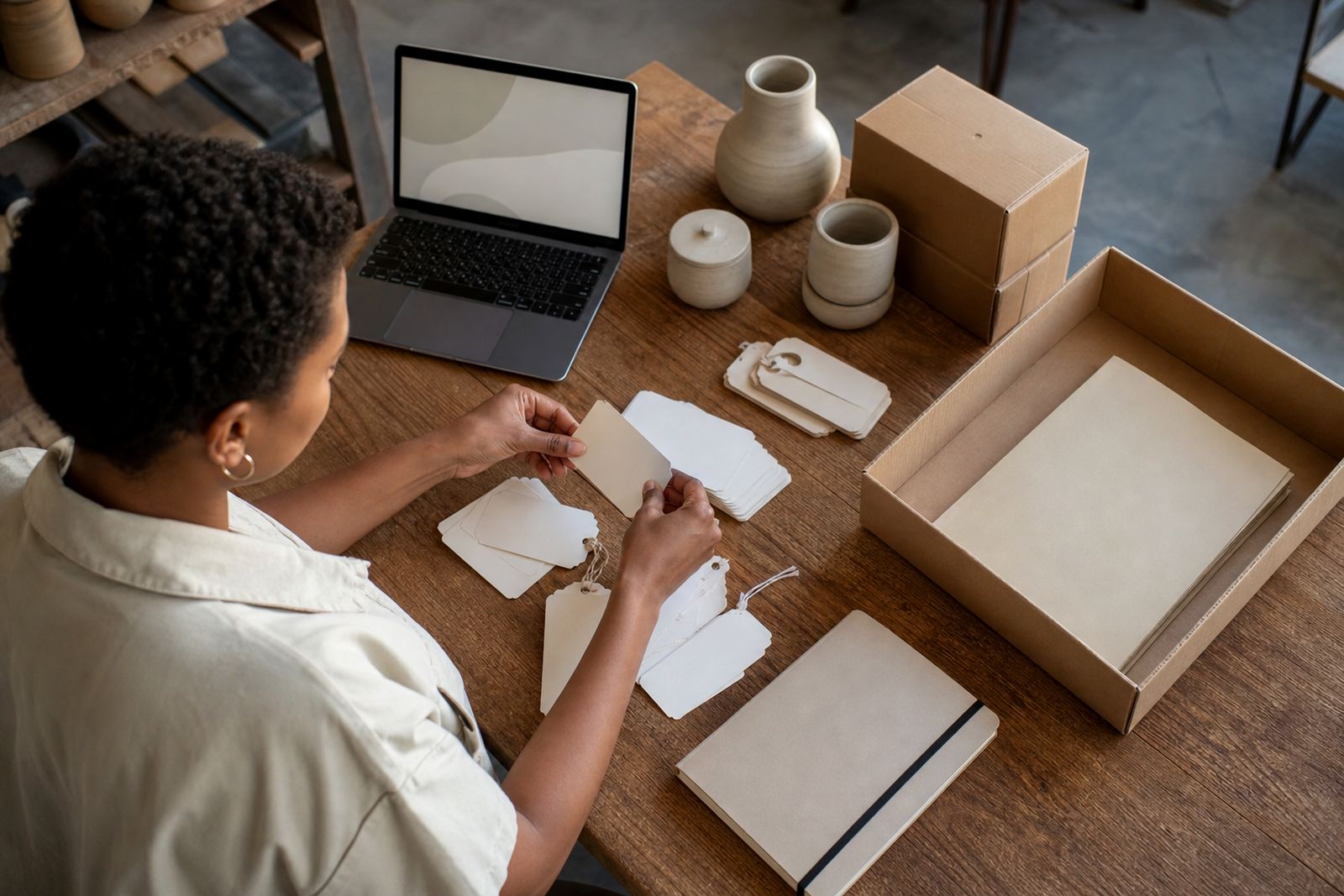
Gaps in folder ownership often surface during shift changes. Someone must be named as the keeper of the evidence folder, rather than relying on whoever handled the job first. For workshops needing reliable records around marks, labels, photos, tickets and samples, naming a folder owner helps keep documentation intact.
Open the folder and label it with the product name, the mark in use, and the city where the batch was packed or made. For each delivery note and first-off sample, add the date and timing in writing to keep the record clear. For example, in Braamfontein, linking the timing to the event helps show whether a glitch was a print fault or a later issue. Keep these details in your own records for reference.
Named custody on shift change
The folder owner manages all updates when operators rotate, leave early or hand over during a run. Gathering camera records, approval messages, rejected pieces and the latest file name in one place prevents records from being lost in personal chats or devices.
Responsibility stays clear when the folder owner, their backup, and the folder’s location are written down. Highlight the main risk for the batch, such as label smear, adhesive issues, mixed readings on food packs, or missing fixture notes, so the next shift can see what happened without needing to piece it together from fragments.
Folder owner tick list
Folder owner records to complete for each batch:
- Folder owner named for this batch
- Dates for key events should be entered as each step is completed.
- Claim wording copied from current file
- Reference one /marks note and /claims
- Each key event needs its date written down as the batch progresses.
Unclear folder ownership calls for all current evidence to be brought together and any gaps to be flagged. Assigning responsibility for retrieving each piece from production or packing keeps the process on track. Reprinting before the record is finished can hide where an error began.
Evidence folders should reflect the practical risks faced during production, such as label smears, adhesive transfer or inconsistent readings. Clear records help answer later questions about marks or design details, especially when batches are reviewed after a shift change.
When label smears or print shifts are common, folder owners note those risks clearly for the next shift. Each batch record should flag issues that affect marks or codes.
Closing
Folder details must match the mark in use and the claim shown on pack, tag or ticket. One wrong artwork export can make a CNC slip overstate design ownership, or a food label carry a reading from the wrong cousin product. Keep only the relevant references so the file stays usable under pressure.
Problems grow when evidence ends up scattered across pockets, phones and memory. Records of ceramic foot marks after returns, laser fixture notes from a fitter, and inspector comments from a voice note all need one owner before they vanish. Naming that owner early shortens any later dispute.
What our IP Protection customers say
Verified Google reviews
Also worth a look

Tell us about your mark
Send a note through our contact form with the mark name, the goods or services, where it will appear first and what worries you, and we will come back with practical next steps and a quote. General guidance only; formal filings go to a registered attorney.
Open the contact form