

Maker label hygiene
Surviving a Friday rush and a Saturday market table takes more than just clever wording. Clear, robust label copy stands up to repeated handling and quick swaps on busy days.

Label copy that lasts through handling
Two factors keep label copy legible through routine handling:
- Friday relabelling after smeared ink and label swaps
- Label position, batch code, shelf recorded for your reference
| City | Pinetown |
|---|---|
| Focus | Labels |
| Primary claim | print floor proofs |
Pinetown label checks under pressure
Reliable label records help workshops manage frequent relabelling, temporary staff changes, and last-minute client requests. Keeping accurate label notes supports practical use by all makers, prioritising clarity and consistency over hype.
A label that failed in use often reveals more than a polished sample. In Pinetown workshops, hand oils and rapid label changes can show up weak wording before any design issue does. Test the printed proof on the actual pack, then check it again after handling, stacking, and moving it to a market table.
Recent label wording and proof notes from staff conversations help keep label records up to date. Grouping these records in one file supports quick tracking of label wording and mark use.
Workshop label checks to keep in place
Workshops benefit from straightforward wording, a proofing step, and a brief label check routine before printing.
Routine label checks help maintain workshop consistency:
- Handled sample checked after packing and transport
- One sentence naming the actual label failure
- Rub, rapid label changes, and handwriting shifts all show up during busy packing and unpacking routines.
Separating the product story from legal and pack wording helps when briefing label work. Noting the material, adhesive, print method, and the specific line that changes most often provides a practical reference.
Label handling steps for busy workshops
Checking label hygiene during typical workshop routines shows which labels withstand supply delays and courier handling. The real test begins once jars, bags, boxes, or swing tags have moved through every stage. When attorney input is needed, clear samples and notes streamline the process.
Variation between label batches and cheap thermal output can turn crisp print muddy in a short run. Weak corners and crowded wording show up quickly under market handling. When labels are already circulating, note which version is out there and where it is being used.
Workshop habits for reliable label checks
Inside the label file, assign one person to keep proofs, another to sign off wording, and keep the latest artwork in a set place. Record which material was used for test prints and who checks legibility after trimming. Missing these steps can mean a typo is only spotted after packs are sealed.
Prior to approving a print batch, review the claim line next to the label line. Differences between the pack, docket, and stall sign often signal mark drift, so maintaining alignment among these elements supports reliable label hygiene.
Maker label hygiene

Maker label hygiene filing
Separate active trade marks from drafts and gather label wording and evidence before speaking to counsel.
Read more
Label hygiene in maker workshops
Hygiene sheet for maker label mark catalogue.
Read more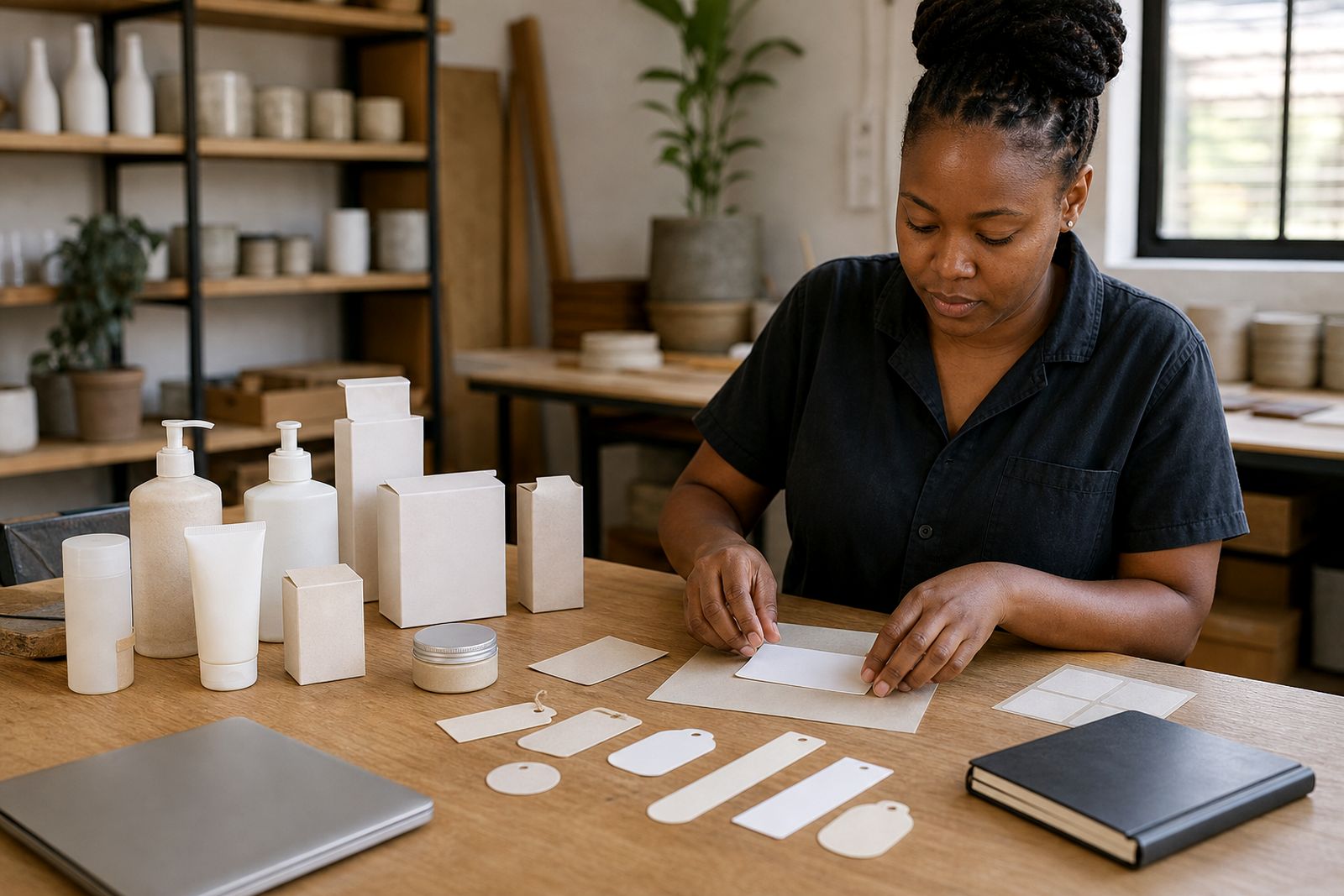
Label placement for hygiene packs and surfaces
Placement notes for label placement in South African workshops.
Read moreWhat our IP Protection customers say
Verified Google reviews
Tell us about your mark
Send a note through our contact form with the mark name, the goods or services, where it will appear first and what worries you, and we will come back with practical next steps and a quote. General guidance only; formal filings go to a registered attorney.
Open the contact form