

Food pack claim lines
Each phrase on a food pack must reflect the actual product and match the recipe and supplier records. Municipal inspectors and customers both expect clear, accurate wording that corresponds to what is inside the jar or pack.
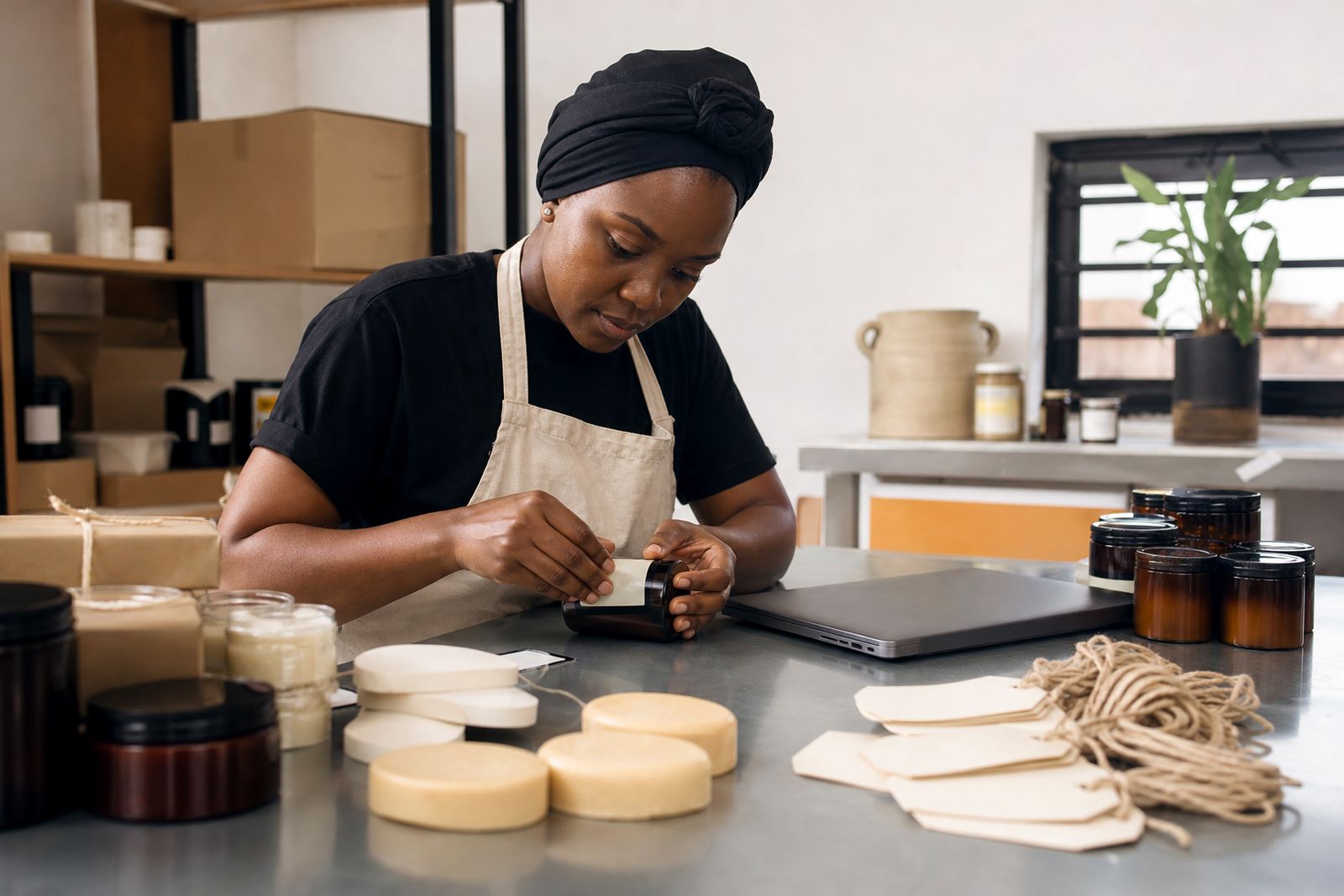
Pack wording for jars, tubs, and pouches
Wording checks apply to jars, tubs, and pouches:
- Jar front claims checked against contents
- Ink rub, barcode placement, label checks
- Shelf labels, batch notes, supplier specs
- Claim checks staff uses daily
When a food claim needs proof
Printed phrases on food packaging, whether on lids, sleeves, cartons, or tamper seals, must match the actual product inside. Misleading wording can create issues for customers or during inspection. Checks help ensure that every food pack reflects both its contents and the documented recipe.
Start with the exact claim as it appears on the pack. Gather the recipe sheet, ingredient declarations, and supplier statements for terms like fresh, handmade, preservative-free, or chilli hot. Claims are best checked at the packing table, where last-minute sticker changes and ingredient swaps are most likely to appear.
Where a product is sold, whether at markets, padstals, farm stalls, or small grocers, can affect how label claims are viewed. Claim hygiene and mark use are reviewed, but legal advice is not part of this process.
What to inspect on the pack
Inspection points for food claim compliance include:
- Main claim beside product name or logo
- Approval steps after ingredient swaps
- Recipe, production sheet, or supplier proof
- Smudged thermal labels or oil splash on pack surfaces
- Barcode, date code, and claim alignment
Someone must take responsibility for the final wording on each SKU. If different people pack chutney, rusks, spice blends, sauces, or biscuits, claims can drift between batches. A sign-off routine helps keep market and retail labels consistent and accurate.
Family buyers may look for words like natural or sugar-free, while inspectors check ingredient order, allergen wording, net contents, and supporting records.
Common claim slips on food labels
Using homemade for products made from bought-in bases. Printing no added sugar without checking for concentrates or sweeteners in ingredients. Marking preservative-free on one flavour when another uses a blend containing preservatives. Copying market feedback into labels before updating paperwork.
Include the product, the label wording in question, and where it is sold. If label wording changed after a recipe update, noting both versions helps show where a claim or layout has drifted.
What our IP Protection customers say
Verified Google reviews
Also worth a look




Tell us about your mark
Send a note through our contact form with the mark name, the goods or services, where it will appear first and what worries you, and we will come back with practical next steps and a quote. General guidance only; formal filings go to a registered attorney.
Open the contact form