

Shared bench claim rules
Shared workspace claim rules prevent one maker's mark from overtaking the next booking.
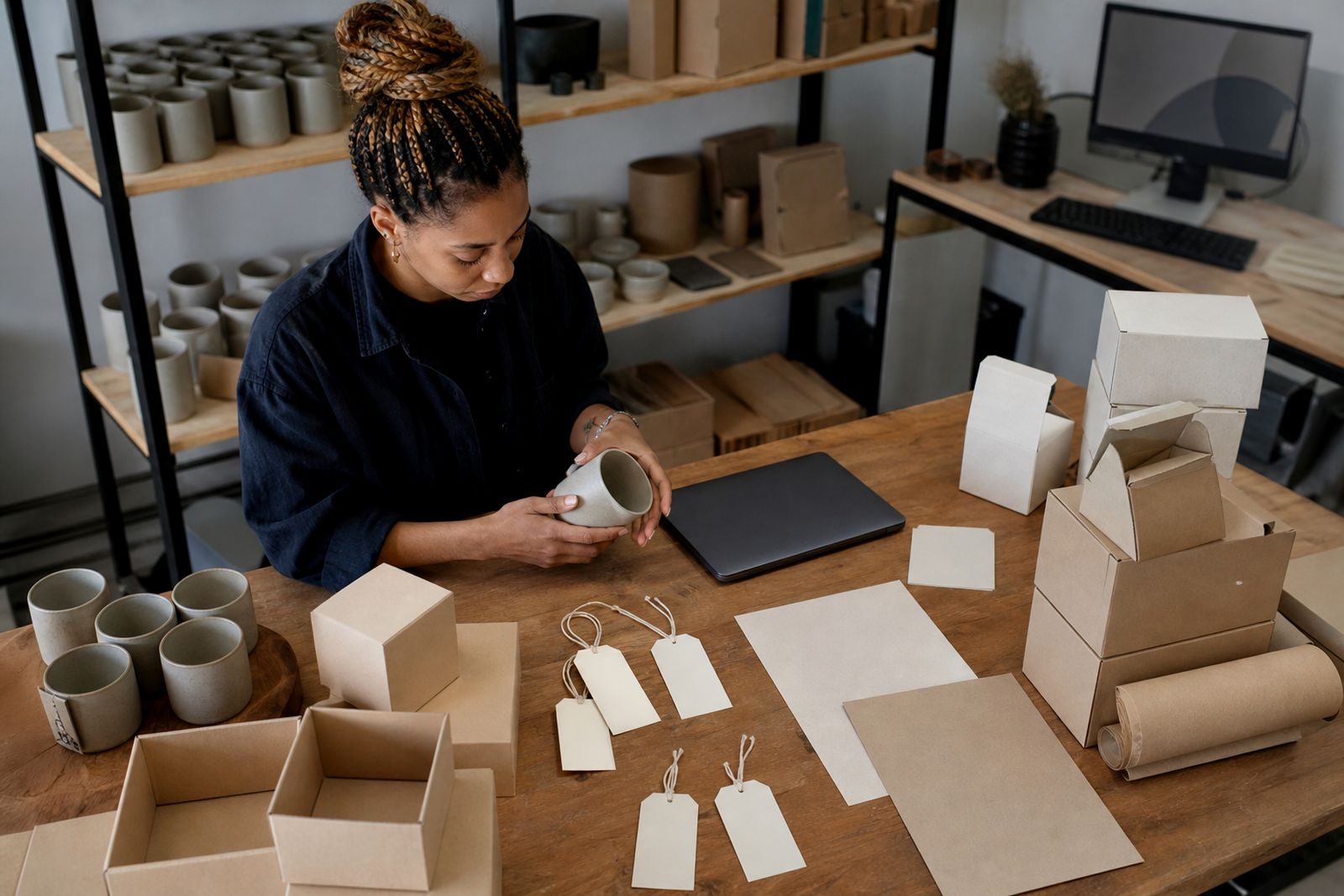
Bench-turn rules for shared incubators
Bench-turn steps help avoid workspace mix-ups and record gaps:
- Bench records before each booking change
- Tape, plug-point or label mix-ups
- Mark records with workspace booking evidence
- Shift-change sheets for resident makers
Booking overlap can blur ownership
Multiple makers may use the same workspace within a single day, leading to confusion with swing tags, masking tape labels, sample shelves, and part-finished goods near communal tools. Each booking turns the area into a shifting claim environment rather than a private workshop.
Focus on the exact moments when one booking finishes and the next maker brings in materials. Note which items remain on the workspace, the names on cartons, and any temporary labels or order sheets. These changeovers often reveal how one maker's mark can blend into another's work.
Submit details about your incubator setup using the contact form, including the incubator name, city, allocation method, whether goods are stored overnight, tool sharing practices, and how finished items are separated for sending out. Incubator shared benches are matched against mark records, usage proof, and ownership checks.
Shared-bench evidence to capture
Evidence to keep for each shared workspace booking includes:
- Names on shelves, bins, and drying racks
- Who changes signage between bookings
- Records of goods beside dated booking sheets
- Records linking marks to the right maker
Shared workspaces need one person to own the wording used on tags, tickets, and temporary notices. When that responsibility is vague, residents borrow phrases from each other, and the paper trail becomes unreliable. Write down who approves the mark display for each booking cycle.
South African incubator conditions
Label printers may pause mid-run, leaving mixed batches on a shared table. Adhesive labels sometimes lift from kraft packs, and open trays can hide pen marks on masking tape. Couriers and shared storerooms shape how clearly goods from different makers are separated.
The key check is not only what mark appears, but where it appears during setup, production, drying, packing, and sending out. A neat final box does not fix a muddled process if components, samples, or rejects sat in a communal area under the wrong name. The useful record is the one that follows the item through the workspace, not just a polished product image.
Common shared-bench claim failures
Explain how storage spots, bench tags, or packed orders are managed in your incubator workspace. Written details about your setup help check if the mark record matches your actual process.
What our IP Protection customers say
Verified Google reviews
Also worth a look




Tell us about your mark
Send a note through our contact form with the mark name, the goods or services, where it will appear first and what worries you, and we will come back with practical next steps and a quote. General guidance only; formal filings go to a registered attorney.
Open the contact form