

Cape foot marks
Repeated returns prompted a Western Cape ceramics team to refine their approach to foot mark consistency.

Foot ring mark habits in the Cape
Repeated returns prompted a Western Cape ceramics team to refine their approach to foot mark consistency. Grids for placement, folders for evidence, cards for claim scope, and briefings from staff all contributed to reliable foot ring marks after removing temporary supports.
Uneven base marks, especially where glaze meets clay on the foot ring, caused most returns. Updated selection, placement, and record-keeping for foot marks now lets each packed piece undergo checks against a consistent reference.
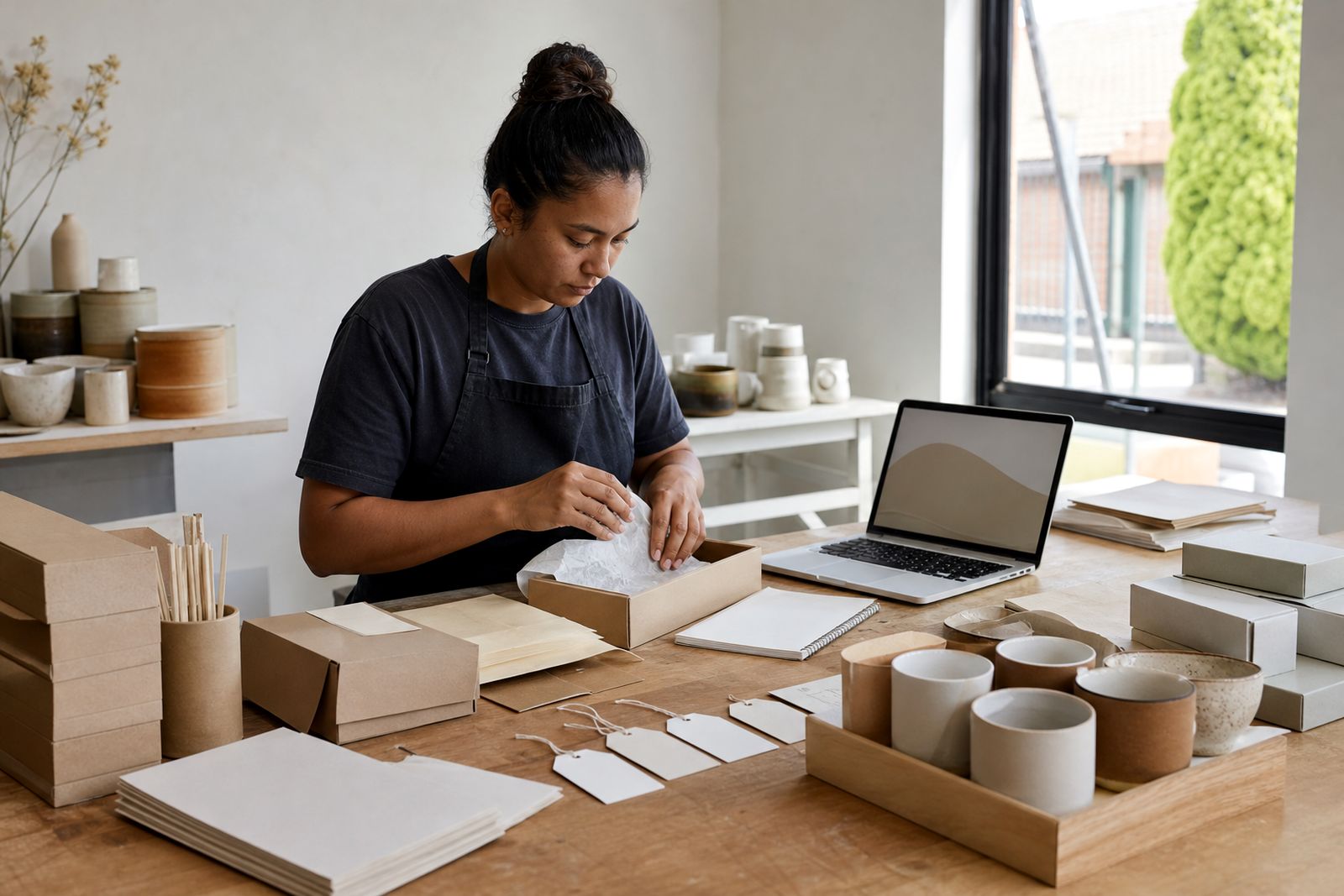
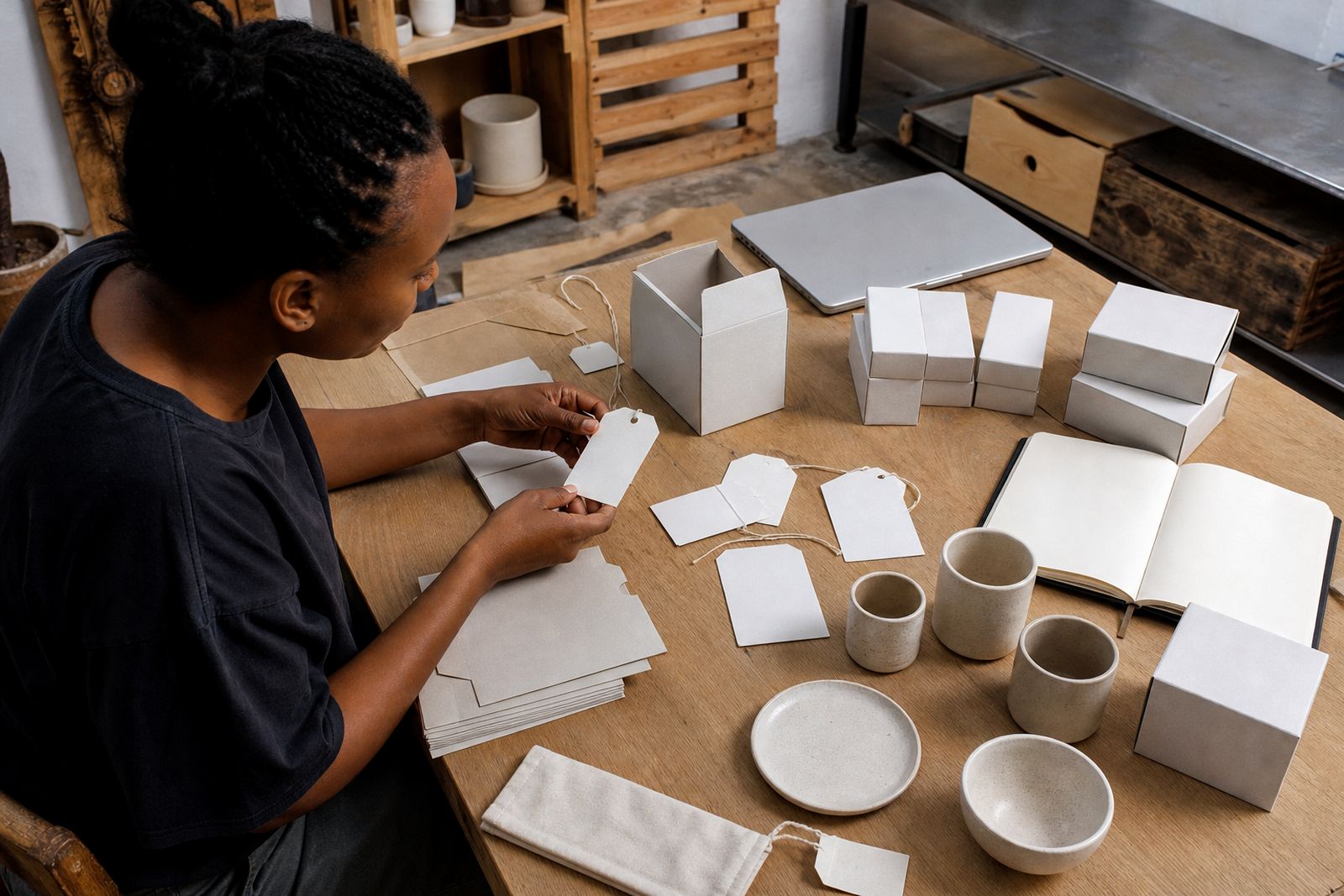
Sample bases, kiln batches, and notes on worn or double impressions on ceramics guided the process. Placement grids matched common shapes, claim scope cards assigned correct marks to each range, and evidence folders stored fired samples, packing lists, and batch notes together.
Handling higher volumes or a wider variety of pieces than those covered in this Cape process requires adapting mark routines and documentation. Adjust methods to keep records and mark placement reliable as inventory and production flow change.
Mail briefs for returned ceramics
To help resolve return issues, attach photos or descriptions of the base mark, note the product name, describe the return reason, foot ring details after firing, mark position, clay body, and any affected batch numbers when you get in touch.
Mark placement for shaped ceramics
For ceramics with foot rings and exposed base areas, a simple mark plan helps keep the right mark in the right place. The work usually starts with a word mark starter and a clear look at logo placement on the finished piece, the label, and any workshop signage used during packing.
- Check the name used on the product against company name details and the trade mark search notes before anything is printed.
- Keep prior-art scans and plain-language register notes together so the team can compare similar marks without guessing.
- Use placement grids and claim scope cards to show where the mark may appear on the base, wrap, or packaging.
For export packaging or mixed production runs, the same approach helps keep branded items readable and consistent. If a mark is shared across ranges, coexistence notes and domain name checks can sit in the same evidence folder.
Evidence that travels with the batch
Small teams often need a record that is quick to use on busy print weeks and during load shedding. That is where docket notes, printable worksheets, and evidence folders become useful. They keep the mark story in one place, from first use notes to the exact base mark used on each fired item.
Useful records for ceramics and maker labels include:
- fired samples and photos of the foot ring
- batch notes, kiln batch references, and packing lists
- renewal calendars for mark dates to watch
- notes on worn, double, or uneven impressions
- packaging, label, and signage checks for the same mark set
These practical records make it easier to brief a registered trade mark attorney or agent if formal filing, an opinion, or a dispute ever needs to move beyond general guidance.
A practical fit for growing makers
Set-IP is built for South African founders, makers, and growing teams that need brand hygiene without legal jargon. The focus is on plain guidance for word marks, logo marks, claim wording on packs, and the everyday record-keeping that supports careful use.
For a project like Cape foot marks, the useful pieces were simple and repeatable: name checks before printing, clean logo placement, claim scope cards, and folders that held evidence in one place. That same approach can also help with workshop signage, label hygiene, and packaging across more than one site.
Set-IP is not a law firm and does not give legal advice. If you want to ask about a similar project or need help deciding what records to prepare, use the contact form for a quote request and send your site photos or notes there.
What our IP Protection customers say
Verified Google reviews
Also worth a look

Tell us about your mark
Send a note through our contact form with the mark name, the goods or services, where it will appear first and what worries you, and we will come back with practical next steps and a quote. General guidance only; formal filings go to a registered attorney.
Open the contact form