

George timber mark stamp project
Wood bench that gated stamps until moisture passed.

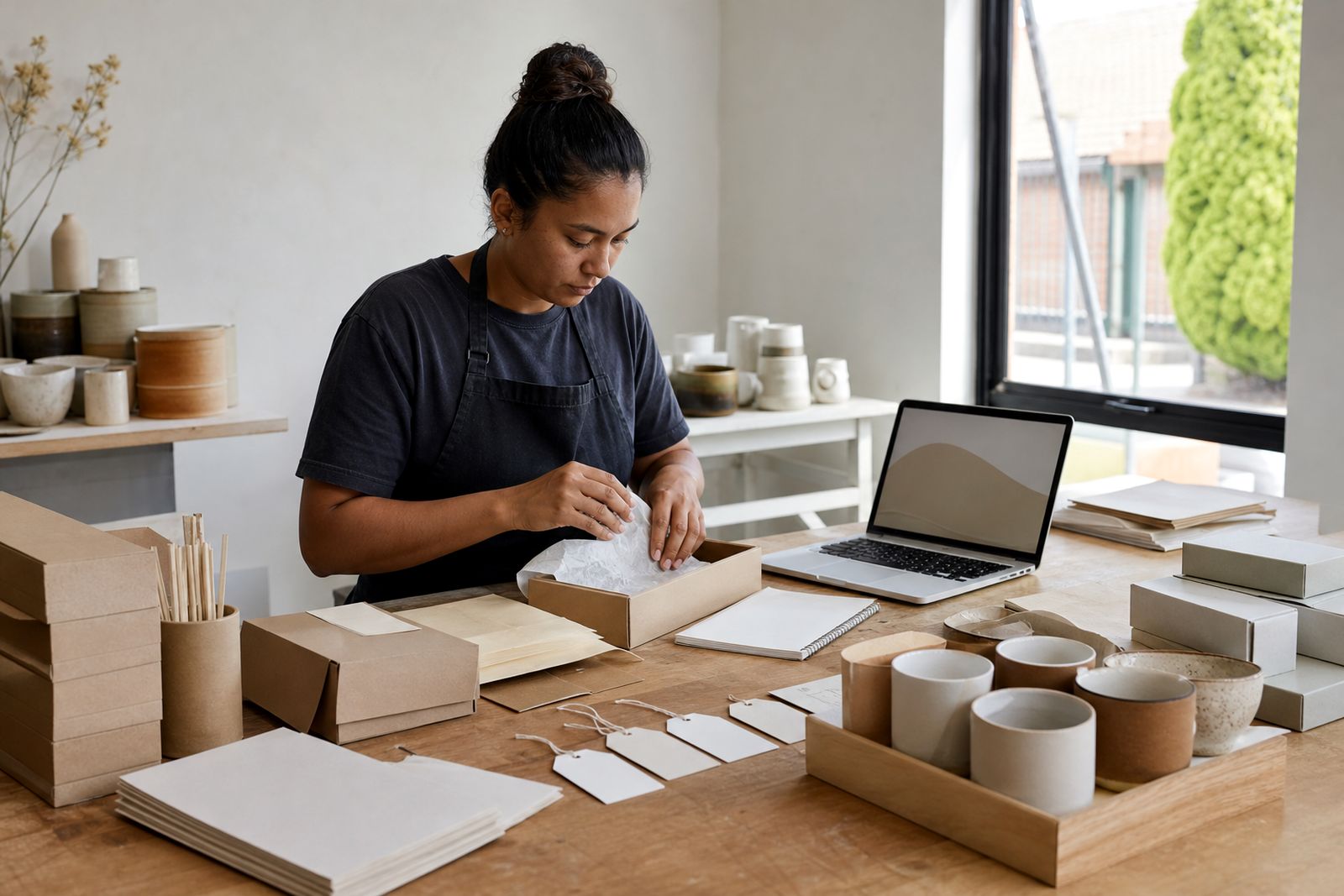
Timber mark station routines
Bench records captured meter readings, stamp position, and batch placement for every run. Checks and placement grids matched each batch, making it possible to trace each mark back to its reading. Batch records were stored in folders for later review, and claim cards stayed at the station, separating trade mark use from workshop shorthand and inventory notes. Stamp position logs and batch placement notes helped maintain consistency throughout the project.
Mark and evidence notes for George
For bench notes, placement sketches, or queries about controlled stamp use in George timber work, use our contact form. Include the stamp face, timber species, and how prints were held back until the reading cleared, so the brief matches the workshop record.
What was set up for the timber run
The work centred on simple control points that helped the bench keep stamp use tidy while timber moved through the run. The team used a mark catalogue style approach to keep the stamp face, placement, and reading linked to the right batch notes.
For a small South African maker, that kind of order is useful when print weeks are busy and the workshop has to keep track of name use, logo use, and claim wording in one place. It also helps when packaging, labels, and workshop signage need to stay consistent without mixing brand language with informal notes.
- word mark and logo placement checks
- claim scope cards for short pack wording
- prior-art scans in plain terms
- file plan for records and folders
How the records were kept usable
Bench notes were kept practical, with reading logs, placement sketches, and batch placement records stored so they could be checked later. That sort of evidence folder is useful when a business wants to keep first-use notes, label versions, and sign-off copies together without making the job harder than it needs to be.
Set-IP also looks at wider hygiene matters that often sit alongside a product run, such as domain name checks, renewal calendars, coexistence notes, and the difference between a CIPC company name and a trade mark. For export packaging or local labels, the focus stays on clear wording, clean placement, and keeping claim language separate from shop-floor shorthand.
- maker label hygiene
- renewal calendars and reminder lists
- evidence folders for first-use records
- coexistence notes and name checks
Where formal matters go next
Set-IP is not a law firm and does not give legal advice. Its content is general guidance for founders, makers, and growing teams who want practical brand and mark hygiene before they print, launch, or reorder.
If a job needs filings, opinions, or a dispute response, that work goes to a registered trade mark attorney or agent. For claim playbooks, docket notes, printable worksheets, or questions about stamp use and label wording, use the contact form and ask for a quote. The result is a cleaner brief that matches the workshop record and keeps the moving parts easy to follow.
- claim playbooks for real jobs
- docket notes for workshop handover
- printable worksheets for staff use
- contact form for queries and quotes
What our IP Protection customers say
Verified Google reviews
Also worth a look


Tell us about your mark
Send a note through our contact form with the mark name, the goods or services, where it will appear first and what worries you, and we will come back with practical next steps and a quote. General guidance only; formal filings go to a registered attorney.
Open the contact form