

Durban label reset
Storage near open roller doors exposed label batches to shifting indoor air, causing corners to lift and adhesive to soften.
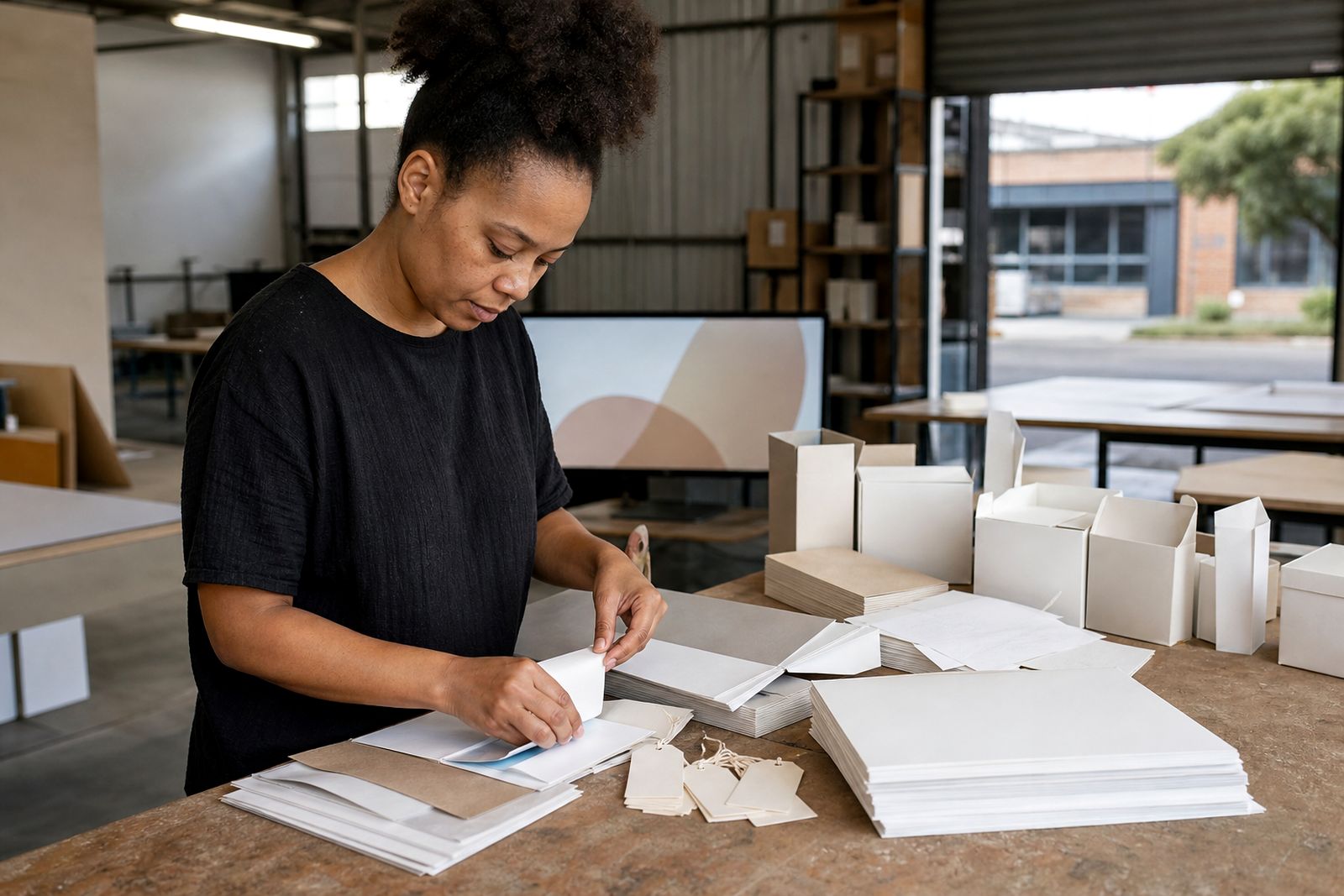
Storage and label performance in Durban jobs
Storage near open roller doors exposed label batches to shifting indoor air, causing corners to lift and adhesive to soften. Short runs also showed blurred care text after time in these conditions.
Observations were made of labels after pressing, packing, and several hours in the workroom. Fibre content wording, wash icons, and sew-in positions were checked before placing the next bulk order. Supplier dockets, approved artwork, and placement grids for each label type were grouped to track changes and confirm settings for later runs.
Durban label job notes
For label orders in Durban, use the contact form to share the fibre type, print method, and label placement on the item. Include details about wash exposure, adhesive or stitch type, and photos showing curling edges, ink lift, or placement drift after storage in the workroom.
What was checked
We worked through the label set as a practical brand hygiene review, starting with the word mark, the logo, and the claim wording already in use on packs and sew-in labels. The aim was to spot where the artwork, fibre wording, and placement notes could drift when batches move through a busy workroom.
We also compared the label plan with prior-art and register searches in plain terms, so the team could see whether the naming and sign-off trail was clean enough before more stock was printed. Where there were mixed uses across packaging, signage, and labels, the notes were grouped so the team could keep one clear record.
- word mark and logo mark checks
- claim scope cards for pack wording
- label placement notes for each format
- evidence folders for first-use and approvals
What was prepared
We put together a working pack for the maker and print team, with docket notes, printable worksheets, and a simple route map. That helped everyone follow the same sign-off steps before any fresh labels, packaging, or workshop signage were sent out.
The pack also included practical checks for domain names, renewal calendars, and coexistence notes, so the brand records could stay tidy alongside company-name use. Where the CIPC company name and the trade mark were not being used in the same way, the notes highlighted the difference in everyday language.
- renewal calendars for marks already in use
- domain name checks for brand consistency
- coexistence notes for shared or similar names
- maker label hygiene for packaging and signage
What the team can use next
The result is a usable reference set for a South African founder or growing team that needs to keep label work neat without slowing production. It is especially useful where packaging, label stock, export packs, and workshop signage all need to match the same naming and claim rules.
Set-IP does not give legal advice and is not a law firm. If a filing, opinion, or dispute is needed, that step goes to a registered trade mark attorney or agent. For practical support, send photos, artwork, and sample pack details through the contact form, and ask for a quote there if you need one.
- word marks and logo marks kept in one place
- claim wording checked against real product use
- evidence folders ready for future reference
- notes that suit load shedding, busy print weeks, and repeat runs
What our IP Protection customers say
Verified Google reviews
Also worth a look
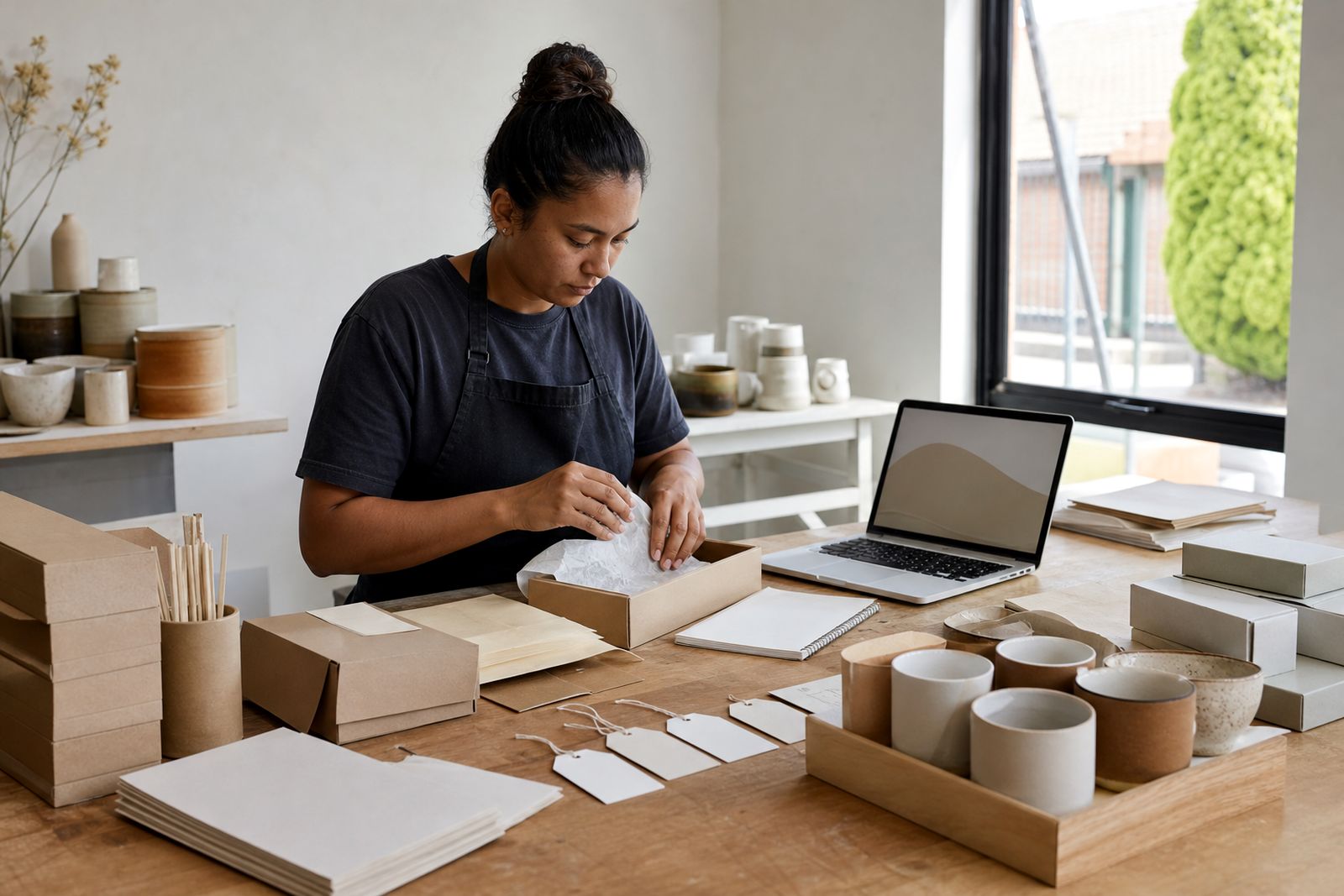



Tell us about your mark
Send a note through our contact form with the mark name, the goods or services, where it will appear first and what worries you, and we will come back with practical next steps and a quote. General guidance only; formal filings go to a registered attorney.
Open the contact form