

Centurion filing map
This filing map shows how a trademark claim stayed practical after a crowded category scare, with dated proof and organised notes.
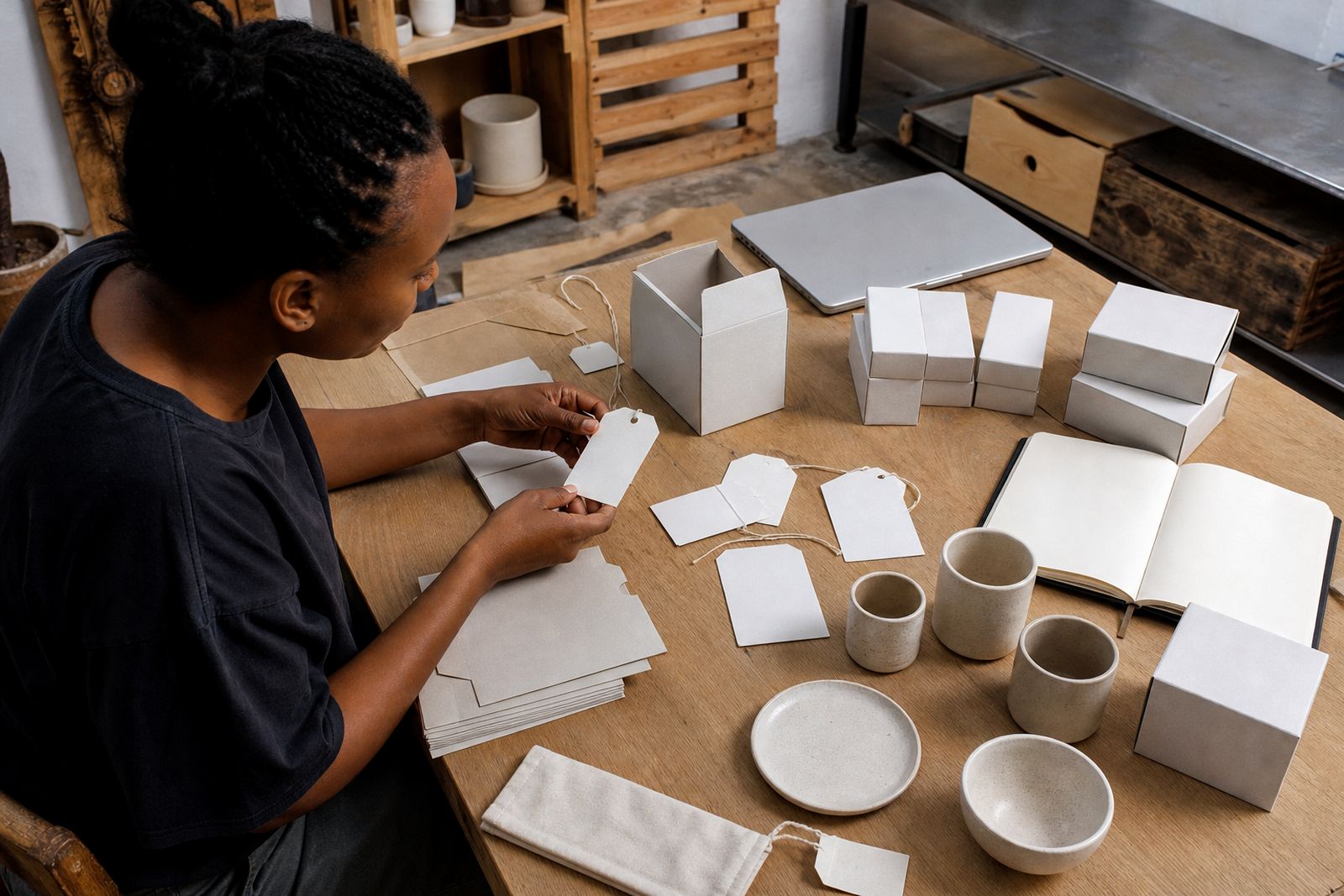
Centurion class route notes
This filing map was set up for a trademark route that needed to avoid a busy class area, keeping the claim practical for ongoing use. Trademark name, product application, packaging location, and dated proof form one evidence set. Each step supports South African filing jobs where workshop inventory, label runs, and online listings must reflect what is claimed.
At this level, the file included claim scope cards, print samples, and a placement grid prepared before printing labels. A challenge in a crowded category led to a review of the basics: what the mark covers, its placement, and which products require distinct wording. Mail records, artwork drafts, and invoice copies were grouped together so the file could be checked against actual product use.
Send the Centurion brief
For a Centurion filing map, share the class, mark placement on your packaging or labels, and any records showing first sales or use. If competition in Gauteng shaped your filing, mention the marks or packaging that affected your decision. Add these details in your message through the contact form so the file can match your job.
Why a filing map helps before print runs
When a mark sits near a busy class area, a simple filing map helps everyone slow down and check the basics before labels, cartons, and signage go to print. It keeps the focus on what the mark is, where it appears, and which goods or services are actually being claimed.
For founders and makers, that usually means comparing the word mark, logo placement, and claim scope against current use in the market. A plain record of prior-art scans, domain name checks, and packaging mark audits can save a lot of back-and-forth later.
Useful support here often includes:
- mark catalogues and claim scope cards
- route maps for the class or classes involved
- evidence folders with dated proof of use
- renewal calendars and docket notes
What was gathered for the job
The file was built around real product use, not loose ideas. That meant checking label wording, packaging layout, and workshop signage so the claimed mark matched what customers would actually see.
Where a brand uses more than one format, it helps to separate the word mark from the logo mark and note where each one appears. If the business also sells online, the same name should be checked across listings, domain names, and supporting artwork before anything is printed in bulk.
Typical supporting material for a practical brand hygiene job can include:
- maker label hygiene notes
- coexistence notes where another similar mark already exists
- packaging mark audits for cartons, labels, and inserts
- claim playbooks for real jobs and printable worksheets
How Set-IP handles practical mark hygiene
Set-IP helps South African founders, makers, and growing teams keep brand records tidy and usable. The work is practical, with clear notes that can be passed on to a registered trade mark attorney or agent when a formal step is needed.
Set-IP is not a law firm and does not give legal advice. Its role is to help organise the groundwork, such as mark catalogues, docket notes, evidence folders, and route maps, so the next professional step is easier to brief.
To talk through a project like this, send the details through the contact form. If you want to see related support areas, start with marks, claims, dockets, or projects.
What our IP Protection customers say
Verified Google reviews
Also worth a look


Tell us about your mark
Send a note through our contact form with the mark name, the goods or services, where it will appear first and what worries you, and we will come back with practical next steps and a quote. General guidance only; formal filings go to a registered attorney.
Open the contact form