

Gauteng fabrication label notes
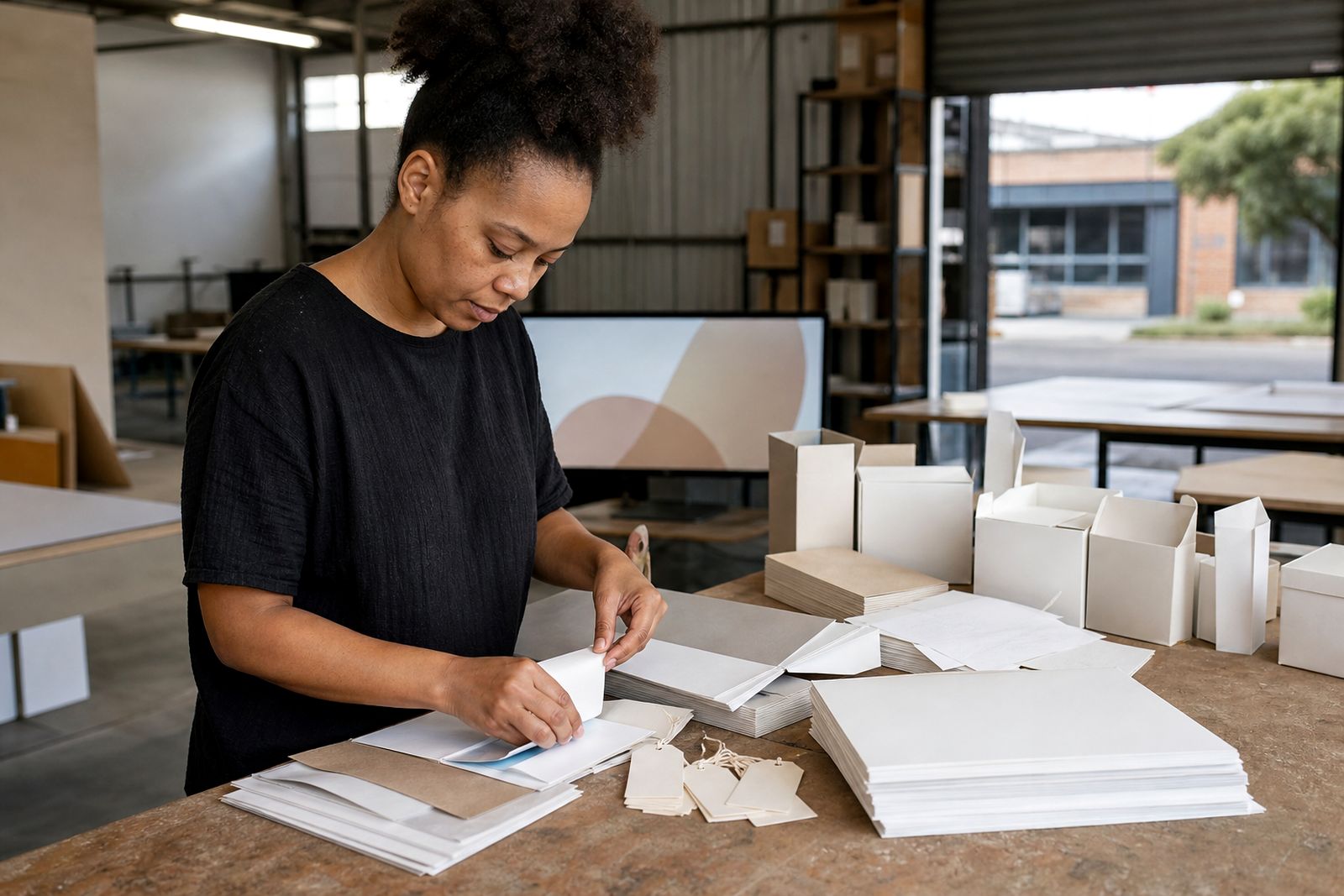
On Fridays, tags, crate labels and order markings often built up at a Gauteng fabrication site.

Friday label rush at a fabrication site
On Fridays, tags, crate labels and order markings often built up at a Gauteng fabrication site. A scope card by the print station, with the claim, quantity, and placement listed before printing, reduced reprints and kept jobs from sharing incorrect wording. Orderly label handling eased the rush at week’s end.
Records were kept of bundled steel, packed fittings, and part-used label rolls during busy shift changes. Placement plans for each pack type ensured consistent mark positioning on wrapped loads, cartons, and sleeves.
Mail briefs for Gauteng fab jobs
For Gauteng fabrication yards, the contact form handles concise label briefs with claim wording, quantity ranges, substrate, and specific placement instructions for frames or crates. Including reference shots of current tags, any set placement grids, and the team’s evidence folder streamlines the process and links the brief directly to the scope card, avoiding last-minute Friday calls.
What the brief needed
The job needed a practical way to keep labels steady through a busy Friday shift, when tags, crate labels and order markings can all change at once. The focus was on clear word mark wording, sensible logo placement, and a simple record of what was meant for each pack type, wrapper and crate.
Before anything went to print, the team used plain note-taking to check names, claim wording and placement. That included quick name checks before printing, plus a simple look at whether the wording was consistent with the business name used on packing and signage. For South African teams, that kind of label hygiene helps separate a company name from a trade mark idea without making the job more complicated than it needs to be.
What was put in place
A practical pack of mark and label notes was prepared around the work at the print station. The bundle included:
- a word mark starter note for the main name
- a logo placement guide for labels, sleeves and cartons
- claim scope cards for short pack claims
- prior-art scan notes in plain language
- packaging mark audit notes for wrapped loads and crates
- renewal calendar reminders for marks already in use
- evidence folder prompts for first use records, samples and dated photos
- domain name checks and coexistence notes where names were close
There were also worksheet prompts for maker label hygiene, workshop signage and export packaging, so the same wording could carry across different print runs without confusion.
How it helped the shift
The result was a cleaner handover between packing, printing and dispatch. With the claim wording, placement and reference photos kept together, the team could move faster during load shedding, shift changes and other busy print weeks. The notes also made it easier to keep an eye on CIPC company names versus trade mark use, which matters when a trading name and a label name are not exactly the same.
Set-IP supports this kind of practical brand hygiene for South African founders, makers and growing teams. It is not a law firm and does not give legal advice, so anything formal such as filings, opinions or disputes goes to a registered trade mark attorney or agent. If you need help with a label brief, mark catalogue or evidence folder, send photos and a short summary through the contact form.
What our IP Protection customers say
Verified Google reviews
Also worth a look

Tell us about your mark
Send a note through our contact form with the mark name, the goods or services, where it will appear first and what worries you, and we will come back with practical next steps and a quote. General guidance only; formal filings go to a registered attorney.
Open the contact form