

Pretoria renewal week
Annual renewal tasks helped this maker group maintain organised and efficient operations.

Pretoria renewal habits
Renewal week routines helped the supplier maintain order and consistency throughout the year.
Small, repeatable controls shaped the structure of Pretoria Renewal Week for this maker group. Scope cards were grouped with sample packs, while folders held written descriptions of dated records, invoice details, and packaging pulls from each batch. These habits kept renewal processes focused and easy to track.
Renewal notes from Pretoria tracked what stayed useful after the scaffold came down. Placement grids were tested against label materials, shelf cards, and crate markings, and short briefs helped the workshop pass on exact mark wording and its placement.
Pretoria contact and record setup
For Pretoria Renewal Week, include the mark name, its position on packaging or workshop displays, and any timing linked to supplier handovers or label orders in Pretoria. The contact form accepts clear briefs for scope cards, placement grids, or a review of evidence folders before print runs start.
Easy-to-follow renewal records
Pretoria Renewal Week worked best when the team kept one simple record for each mark. Word marks, logo marks and claim wording were checked together so everyone could see what belonged on packaging, what stayed on workshop signage and what needed a later handover to a registered trade mark attorney or agent.
Clear notes helped the group keep routine jobs moving during busy print weeks and load shedding. They used prior-art scans in plain terms, evidence folders for first-use records, and renewal calendars to keep dates visible. Where names, labels or pack copy changed, the team also checked domain names and CIPC company names alongside the trade mark plan.
Packaging, signage and label hygiene
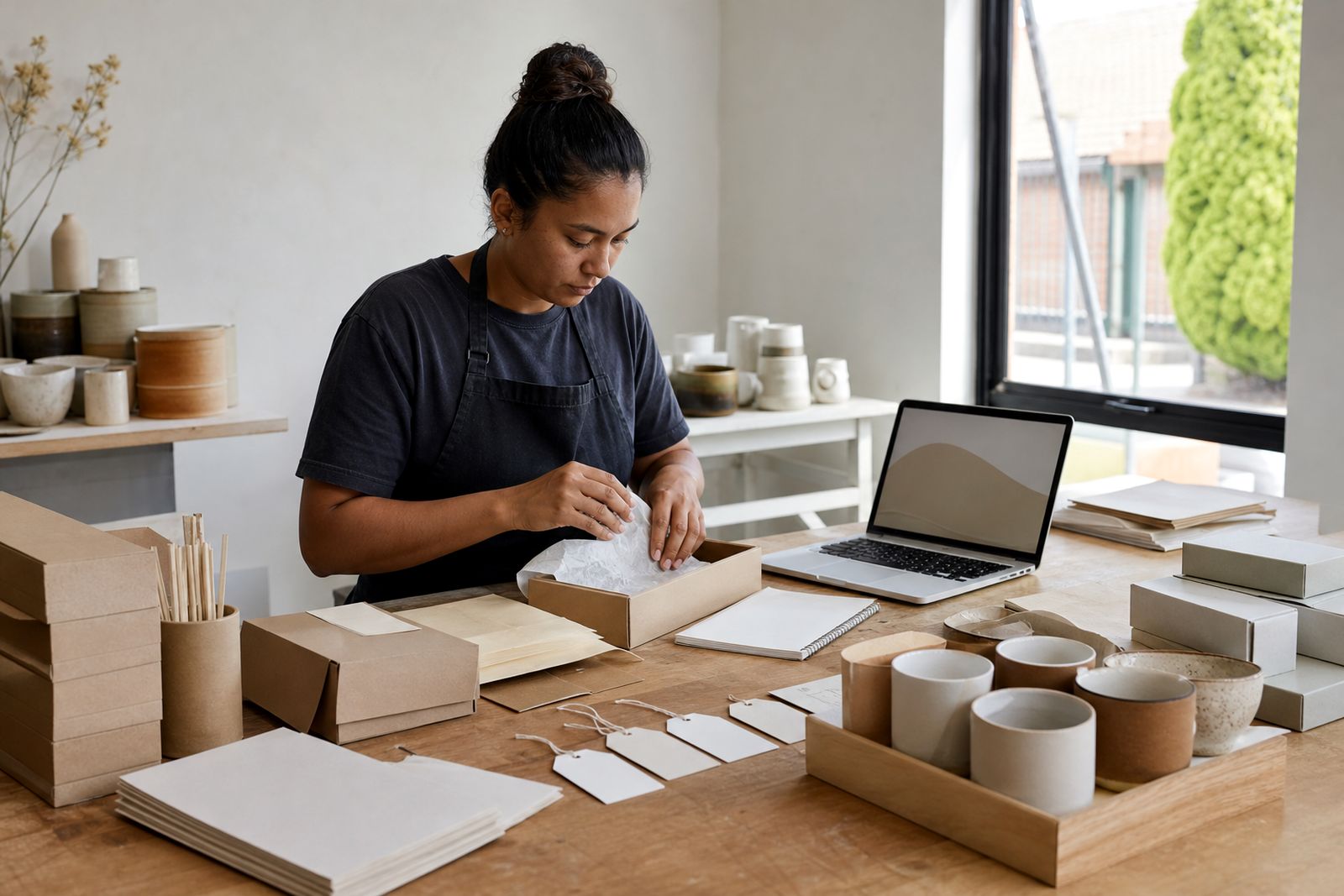
The practical work centred on where the mark sat and how it appeared. Placement checks covered labels, sample packs, crate markings, workshop signs and export packaging, with claim scope cards and maker label hygiene notes used to keep wording consistent across batches.
- confirm the exact mark name before print runs
- check logo placement on packs and display boards
- capture label pulls, supplier notes and dated proofs in one folder
- mark any coexistence notes where another user may need to be kept in view
If a pack needed a stronger route map, the team prepared a simple brief first and then sent anything formal on through the contact form.
What the group kept after scaffold removal
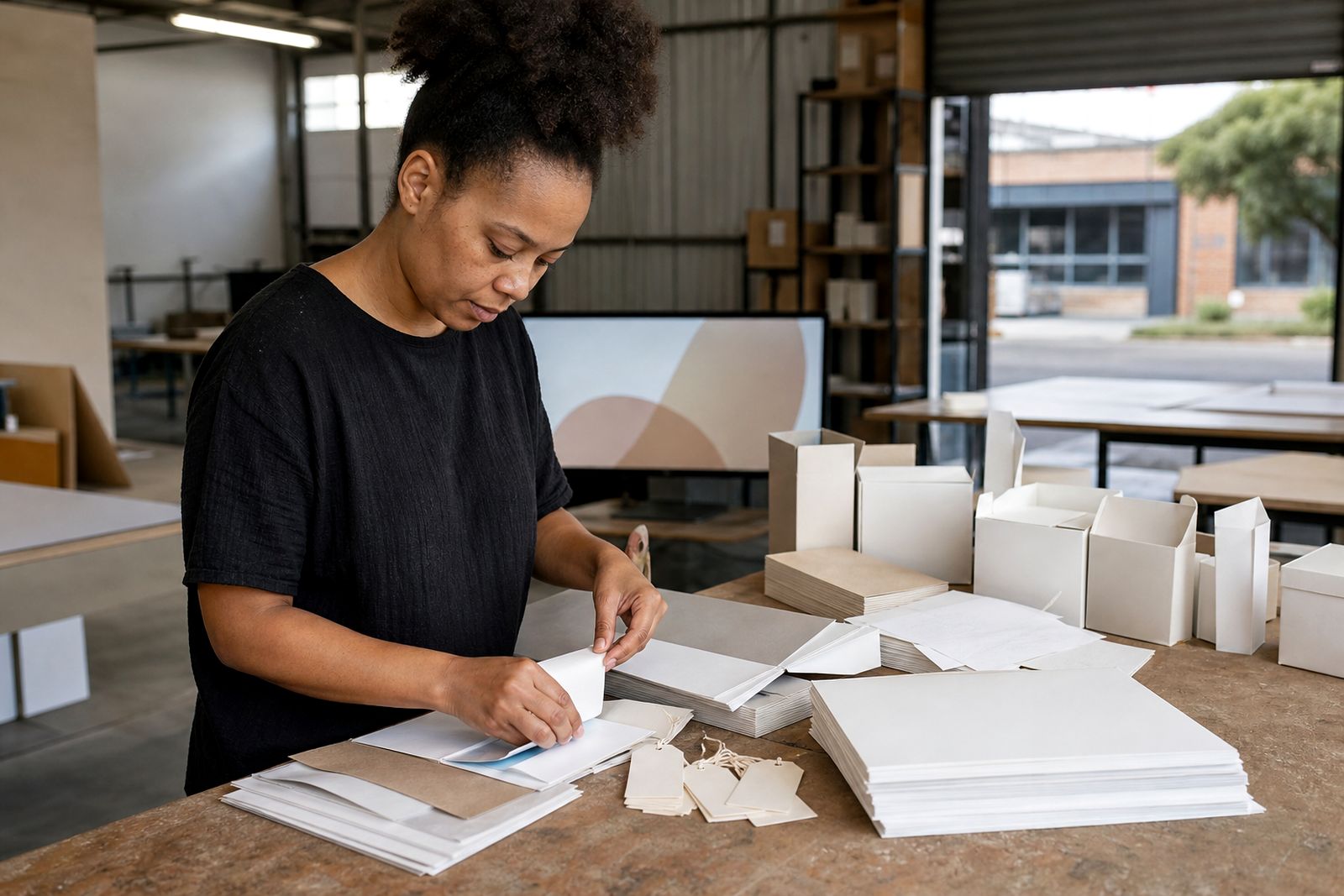
After the busy renewal stretch, the useful parts were the ones that could be repeated without fuss. Printable worksheets, docket notes and short briefs made it easier to hand over tasks between makers, buyers and print suppliers. That kept the mark catalogue tidy and reduced guesswork when new orders or new label versions arrived.
Set-IP supports South African founders, makers and growing teams with practical brand hygiene tools and general guidance. It is not a law firm and does not give legal advice, so any filings, opinions or disputes must go to a registered trade mark attorney or agent. For a quote or to send a brief, use the contact form or browse the marks, claims, dockets and contact sections.
What our IP Protection customers say
Verified Google reviews
Also worth a look


Tell us about your mark
Send a note through our contact form with the mark name, the goods or services, where it will appear first and what worries you, and we will come back with practical next steps and a quote. General guidance only; formal filings go to a registered attorney.
Open the contact form